
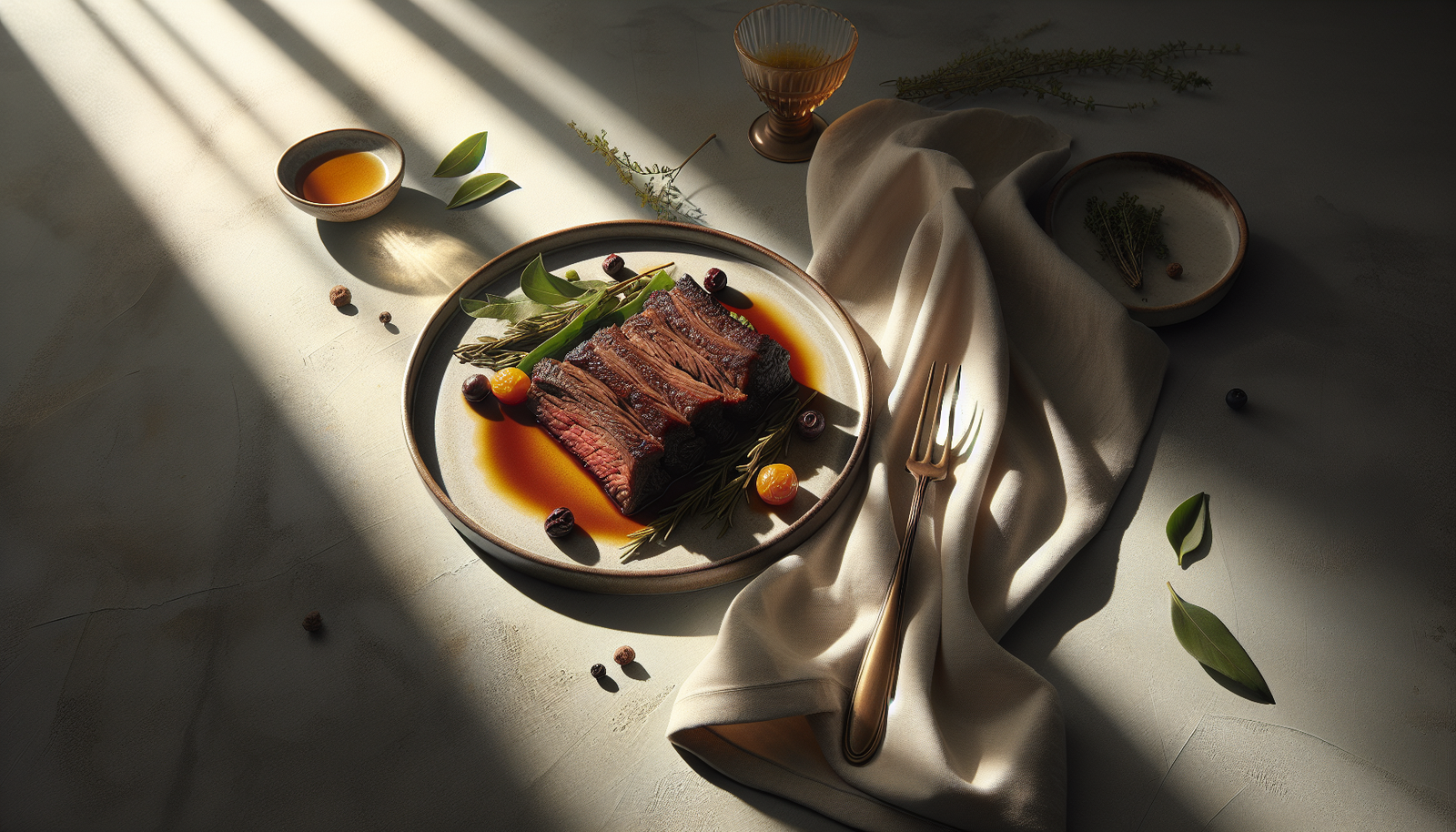
Flanken ribs hold a special place in my heart and on my Shabbos table. These cross-cut short ribs come from the chuck section, and when braised properly, they transform from tough, sinewy pieces into fork-tender, flavorful meat that falls right off the bone. My grandmother used to make them every Friday, filling the house with that incredible aroma that still takes me back to childhood.
The key to perfect flanken lies in the braising technique. You need a good sear first to develop those deep, caramelized flavors that make all the difference. I use a heavy Dutch oven because it holds heat evenly and gives you that beautiful crust on the meat. After the searing comes the slow, gentle cooking in liquid. Some people rush this step, but don’t. The collagen in these ribs needs time to break down into gelatin, which creates that silky, rich sauce.
Why Flanken Ribs Need the Right Technique
I’ve experimented with different braising liquids over the years. Wine works beautifully if you’re not serving this at a meat meal where someone might want wine with dinner. But honestly, a good beef stock with some tomato paste and aromatics does the job just as well. The vegetables aren’t just for flavor either. They help create body in the braising liquid and give you those tender, sweet carrots and onions that soak up all the beefy goodness.
Building Flavor in Your Braising Liquid
This dish is perfect for Shabbos dinner or any time you want something comforting and impressive without too much active cooking time. I serve it with roasted potatoes or egg noodles, and it pairs wonderfully with simple steamed vegetables. The best part? It actually tastes better the next day, so you can make it ahead if you’re hosting.
Ingredients
Method
- Preheat your oven to 325°F. Pat the flanken ribs completely dry with paper towels and season generously with salt and pepper on all sides.
- Heat the vegetable oil in a large Dutch oven or heavy braising pot over medium-high heat. When the oil shimmers, add the ribs in batches, making sure not to crowd the pan. Sear for 3-4 minutes per side until deeply browned. Transfer the seared ribs to a plate.
- Reduce heat to medium and add the onions to the same pot. Cook for 5 minutes, stirring occasionally, until they start to soften and pick up some of the browned bits from the bottom of the pan.
- Add the carrots, celery, and garlic to the pot. Cook for another 3-4 minutes until the vegetables start to soften slightly.
- Stir in the tomato paste and cook for 1 minute until fragrant. If using wine, pour it in now and scrape up any browned bits from the bottom of the pot. Let it simmer for 2 minutes to cook off some of the alcohol.
- Return the seared ribs to the pot and add enough beef stock to come about 2/3 up the sides of the meat. Add the bay leaves, thyme, and rosemary. Bring to a gentle simmer.
- Cover the pot with a tight-fitting lid and transfer to the preheated oven. Braise for 2.5 to 3 hours, checking occasionally and adding more stock if needed, until the meat is fork-tender and pulling away from the bone.
- Remove the pot from the oven and let it rest for 10 minutes. Carefully remove and discard the herb sprigs and bay leaves. Taste the braising liquid and adjust seasoning with salt and pepper as needed.
- Serve the flanken ribs with the vegetables and braising liquid spooned over the top. Garnish with fresh chopped parsley.
Notes
You Might Also Like
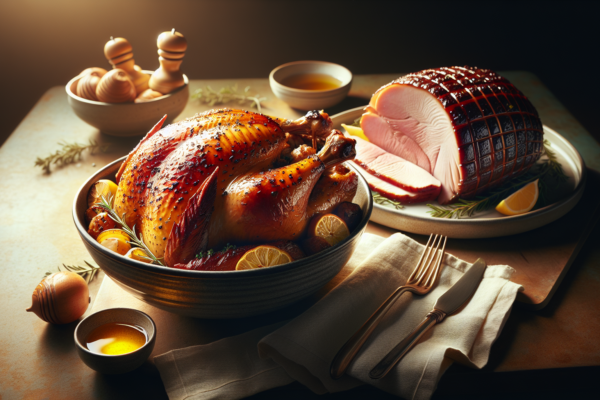
One Pan Kosher Honey Glazed Turkey Roast
This one-pan kosher turkey roast gets perfectly caramelized with a honey-Dijon glaze...
View Recipe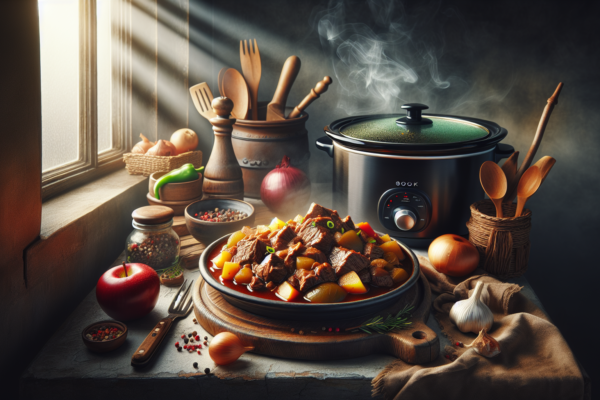
Hearty Kosher Beef Stew: A Slow Cooker Delight
Warm up with this Hearty Kosher Beef Stew, a slow cooker masterpiece....
View Recipe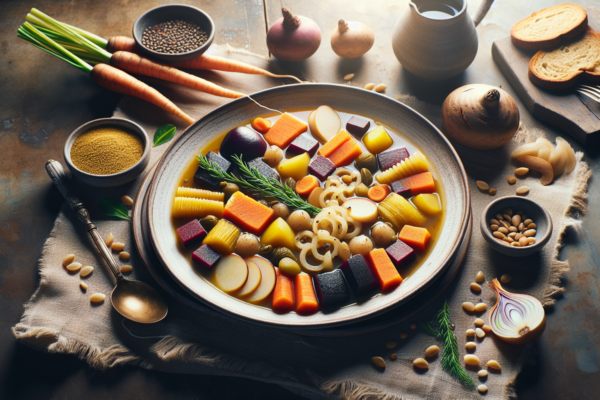
Hearty Kosher Root Vegetable Soup for Cozy Evenings
Root vegetable soup is a nourishing dish steeped in tradition and warmth....
View Recipe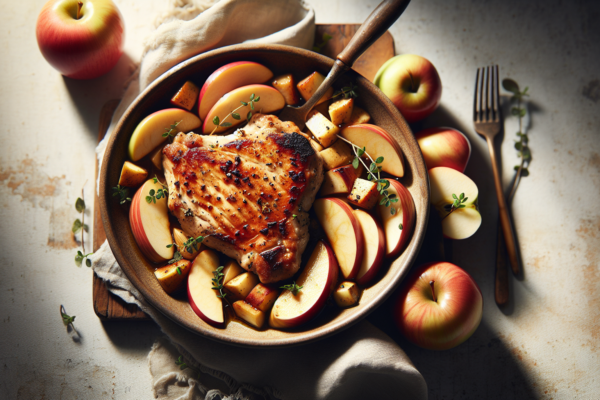
One Pan Chicken Chops With Apples – Easy Kosher Weeknight Dinner
Juicy bone-in chicken thighs and tender apples cook together in one pan...
View Recipe