
I still remember the first Thanksgiving turkey I made as a newlywed. It was dry, the skin was pale, and I spent the entire meal apologizing to our guests. That disaster taught me everything I needed to know about what not to do with a bird.
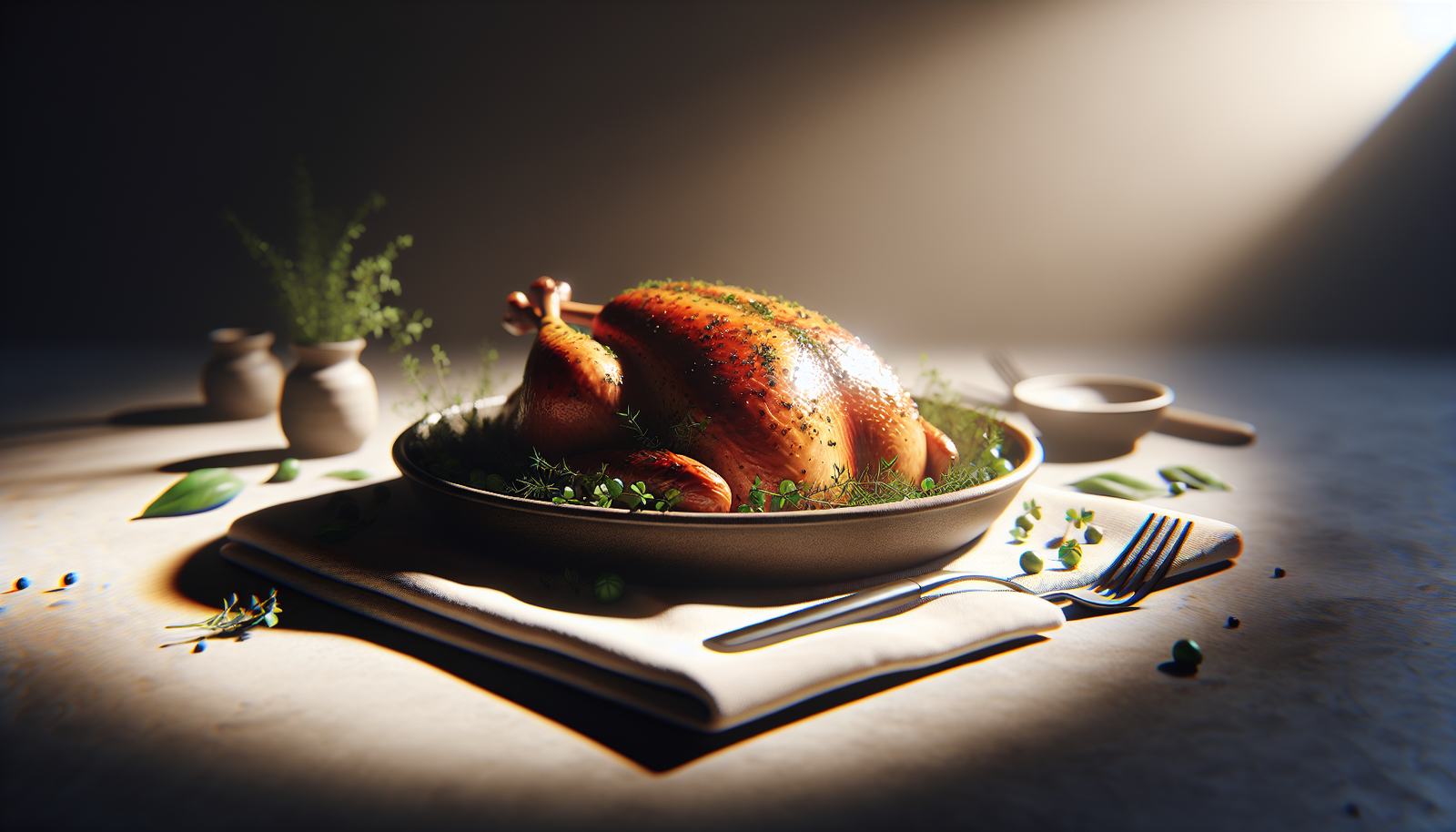
Turkey doesn’t have to be the dry, flavorless centerpiece that everyone politely chokes down while reaching for more stuffing. The secret isn’t complicated techniques or fancy equipment. It’s about understanding how heat moves through meat and giving the bird what it needs to stay juicy. A good kosher turkey starts with proper brining or salting, and this recipe walks you through both options depending on your schedule.
Why This Turkey Recipe Actually Works
The herb mixture I use here comes from my grandmother’s notes, though I’ve tweaked the proportions over the years. Fresh thyme, rosemary, and sage work together to create something that smells like autumn itself. The key is getting some of that mixture under the skin where it can actually flavor the meat, not just sit on top looking pretty. I also learned to start the turkey at high heat to get the skin crispy, then lower the temperature to cook it through gently.
Fresh Herb Blend for Maximum Flavor
This turkey works beautifully for any holiday meal or Shabbat dinner when you’re feeding a crowd. Serve it with roasted root vegetables, your favorite stuffing recipe, and maybe some cranberry sauce if you’re feeling traditional. The leftovers make incredible sandwiches and soup stock too.
Ingredients
Method
- Remove turkey from refrigerator 1 hour before cooking to bring to room temperature. Pat completely dry with paper towels inside and out.
- Preheat oven to 425°F. Position rack in lower third of oven.
- Mix olive oil, 1 tablespoon salt, pepper, thyme, rosemary, sage, and garlic in a small bowl to make herb paste.
- Carefully loosen skin over breast and thighs by sliding your hand between skin and meat. Spread half the herb mixture under the skin directly on the meat.
- Rub remaining herb mixture all over the outside of the turkey. Season cavity with remaining 1 tablespoon salt.
- Stuff cavity with half the onion quarters. Tie legs together with kitchen twine and tuck wing tips under.
- Place remaining onion, celery, and carrots in bottom of roasting pan. Set turkey breast-side up on top of vegetables.
- Roast at 425°F for 30 minutes until skin starts to brown.
- Reduce temperature to 325°F. Pour chicken stock into bottom of pan around vegetables.
- Continue roasting 2.5 to 3 hours more, basting every 45 minutes with pan juices. Brush with honey during last 30 minutes.
- Turkey is done when internal temperature reaches 165°F in thickest part of thigh and 160°F in breast.
- Let rest 20-30 minutes before carving. Strain pan juices for gravy if desired.
Notes
You Might Also Like
Easy Kosher Taco Bowls with Black Beans and Rice
These customizable kosher taco bowls pack bold Mexican flavors into one satisfying...
View Recipe
Crispy Kosher Egg Rolls With Flaky Homemade Wrappers
Skip the takeout and make these crispy kosher egg rolls at home...
View Recipe
Perfect Fluffy Kosher Pancakes That Actually Work
These fluffy kosher pancakes use separated eggs and careful technique to create...
View Recipe
Perfect Grilled Portobello Mushroom Burgers
These marinated grilled portobello mushroom burgers deliver incredible meaty texture and smoky...
View Recipe