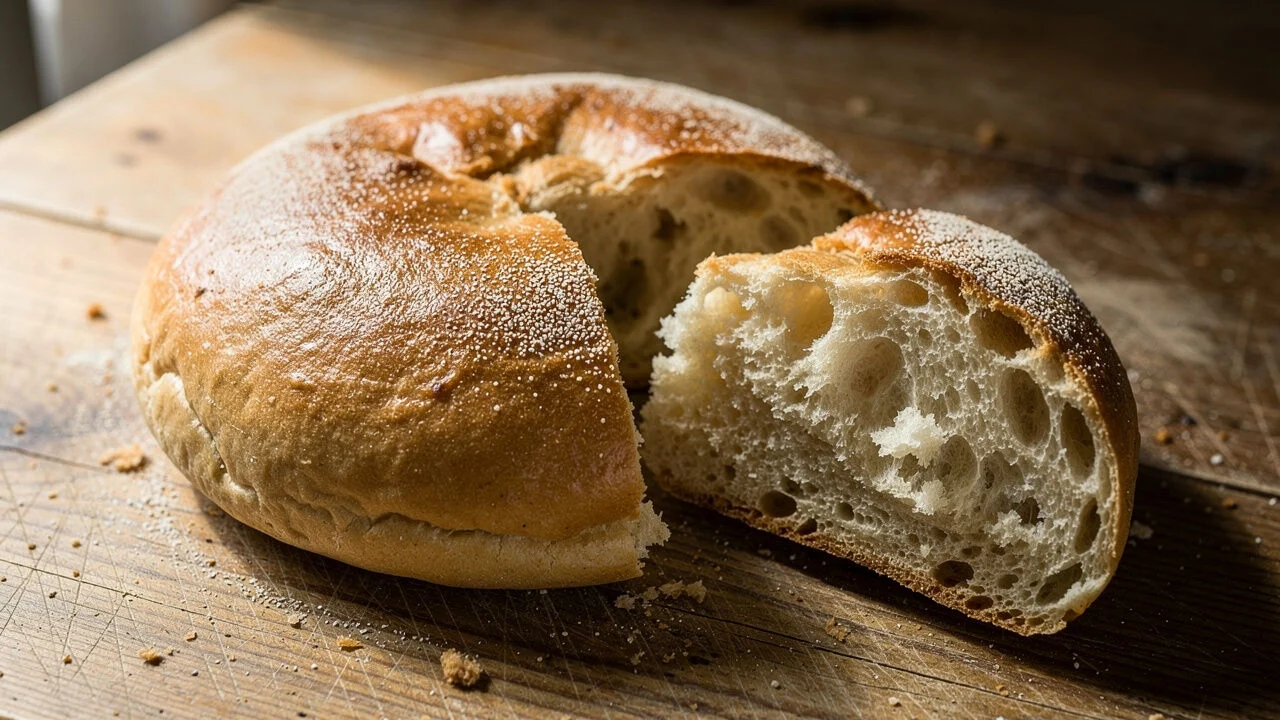
Khobz is the round, crusty Moroccan bread found on every table, with a crisp crust and soft interior thanks to semolina flour and a long fermentation. It’s topped with sesame and nigella seeds.
Getting the Crust Right
Semolina gives khobz its slightly coarse texture and golden color. Shape the dough into flat rounds, let them rise, prick the tops and bake in a hot oven with a pan of water on the bottom rack. The steam is what gives the crust its crispness, so don’t skip it.
Kosher Notes
Khobz is pareve and is the traditional bread for Moroccan Jewish Shabbat and holiday meals, eaten with salads and tagines.
Storing
Wrap in a towel for 3 days, or freeze for 3 months; reheat wrapped in foil at 350°F.
Ingredients
What I use for this recipe
As an Amazon Associate I earn from qualifying purchases.
Method
- In a small bowl, dissolve the sugar in warm water. Sprinkle the yeast over the surface and let it sit for 5-10 minutes until foamy. If it doesn't foam, your yeast is dead and you'll need to start over.
- In a large mixing bowl, whisk together the bread flour, semolina flour, and salt. Make a well in the center and pour in the yeast mixture and olive oil.
- Using a wooden spoon or your hands, mix everything together until a shaggy dough forms. Turn the dough onto a lightly floured surface.
- Knead the dough for 8-10 minutes until it becomes smooth and elastic. The dough should be slightly tacky but not sticky. Add a little more flour if needed, but don't overdo it.
- Place the dough in a lightly oiled bowl, turning it to coat all sides. Cover with a damp towel and let rise in a warm place for 1-1.5 hours, or until doubled in size.
- Punch down the dough and divide it in half. Shape each portion into a smooth ball, then flatten into discs about 8 inches across and ½ inch thick.
- Place the shaped loaves on parchment-lined baking sheets. Cover with towels and let rise for another 30-45 minutes until puffy.
- Meanwhile, preheat your oven to 450°F. Place a shallow pan of water on the bottom rack to create steam.
- Just before baking, brush the tops lightly with water and sprinkle with sesame seeds and nigella seeds if using. Using a sharp knife, make shallow decorative slashes in a crosshatch pattern.
- Bake for 20-25 minutes until golden brown and hollow-sounding when tapped on the bottom. The internal temperature should reach 200°F.
- Cool on wire racks for at least 15 minutes before slicing. The bread is best served warm or at room temperature.
Notes
Get a Shabbat menu every Thursday
A main, sides and a dessert from our kitchen, all kosher together and ready to cook. Free, and you can unsubscribe anytime.
One email a week. We never share your address. Privacy policy
You Might Also Like
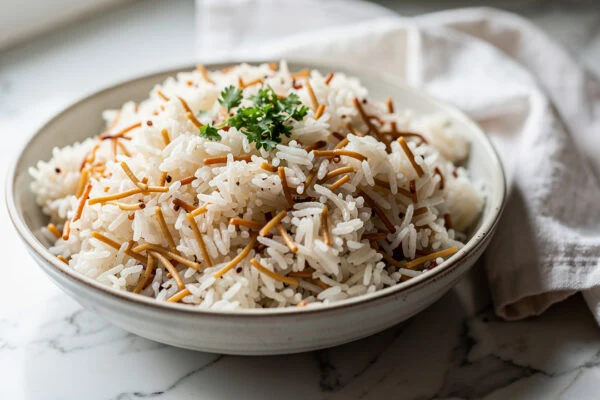
Flavorful Sephardic Rice with Vermicelli: A Kosher Delight
Experience the rich flavors of Sephardic Rice with Vermicelli—an easy and delicious...
View Recipe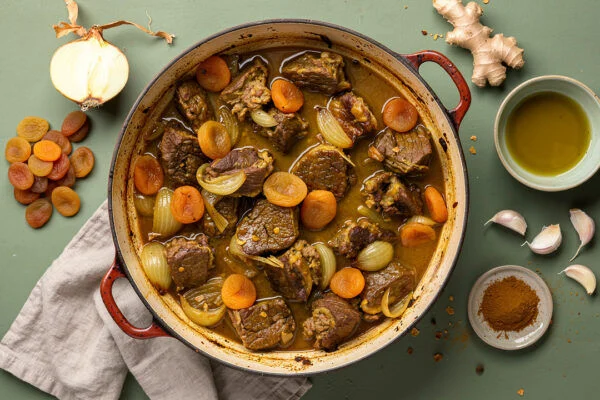
Perfect Kosher Lamb Tagine With Apricots And Moroccan Spices
This aromatic lamb tagine combines tender braised meat with sweet apricots and...
View Recipe
Israeli Couscous with Roasted Vegetables and Herbs – A Colorful Mediterranean Side
Pearl-sized Israeli couscous gets toasted until nutty, then mixed with caramelized roasted...
View Recipe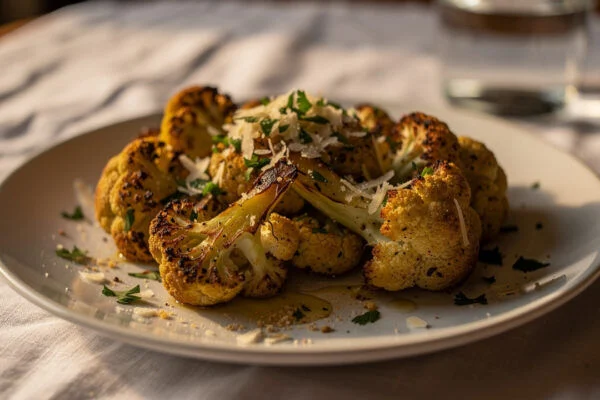
Easy Roasted Cauliflower With Parmesan (30-Minute Side)
Transform ordinary cauliflower into a golden, crispy side dish with just olive...
View Recipe