
I discovered this no-knead bread recipe about five years ago when my neighbor brought over a loaf that looked like it came from a fancy bakery. She laughed when I asked where she’d bought it and told me she’d made it herself with just four ingredients and barely any work. I didn’t believe her until she showed me the method.
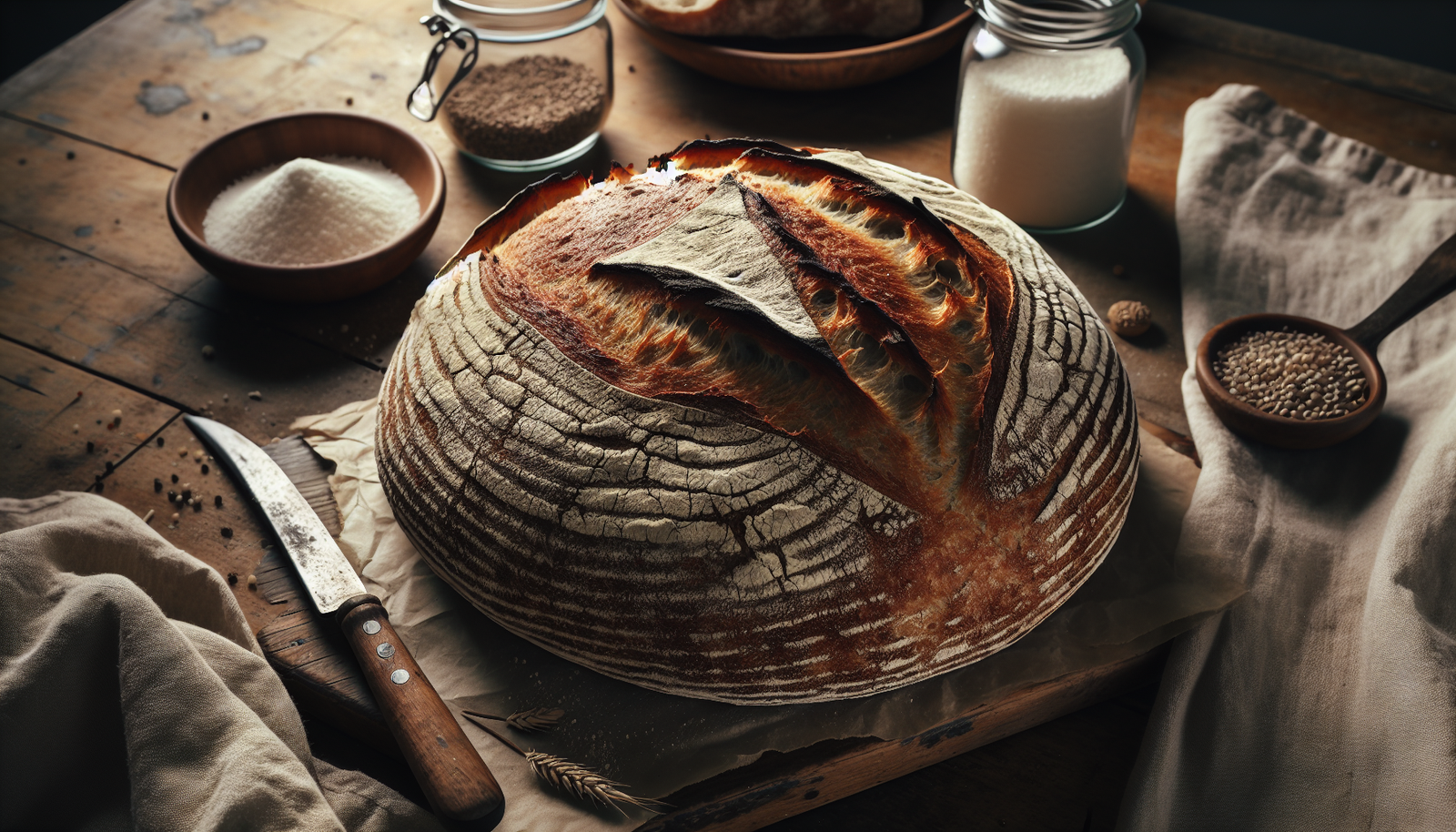
The beauty of this bread lies in its simplicity. You mix flour, water, salt, and a tiny amount of yeast, then let time do all the heavy lifting. The dough sits on your counter for 12 to 24 hours, developing flavor and structure through slow fermentation. No kneading, no special equipment beyond a Dutch oven, and no complicated techniques. The long fermentation creates those irregular holes you see in expensive artisan loaves, plus it develops a complex flavor that quick breads just can’t match.
Why No-Knead Bread Works So Well
What makes this version work so well is the high hydration ratio. The dough will look shaggy and wet at first, nothing like traditional bread dough. Don’t add more flour. That wetness is what creates the open crumb structure and allows the gluten to develop naturally over time. When you finally bake it in a preheated Dutch oven, the steam creates an incredible crust while the interior stays soft and chewy.
This bread goes with everything. I’ve served it alongside Shabbat dinner, used it for sandwiches during the week, and turned day-old slices into the best French toast my family has ever had. It keeps well for several days wrapped in a kitchen towel, and it freezes beautifully too.
Serving This Rustic Artisan Bread
Ingredients
Method
- In a large bowl, whisk together flour, yeast, and salt until well combined.
- Add the water and stir with a wooden spoon until you have a shaggy, sticky dough with no dry flour visible. The dough will look rough and wet.
- Cover the bowl tightly with plastic wrap and let sit at room temperature for 12 to 24 hours. The dough will double in size and become bubbly on the surface.
- Lightly flour a work surface. Turn out the dough and fold it over itself 2-3 times using a bench scraper or your hands. Don't knead it.
- Shape the dough into a rough ball and place seam-side down on a piece of parchment paper. Cover with a kitchen towel and let rise for 2 hours until doubled again.
- Place a Dutch oven with its lid in the oven and preheat to 450°F for at least 30 minutes.
- Carefully remove the hot Dutch oven and lift off the lid. Using the parchment paper as a sling, lower the dough into the pot.
- Cover with the lid and bake for 30 minutes.
- Remove the lid and continue baking for 12-15 minutes until the crust is golden brown and the bread sounds hollow when tapped.
- Transfer to a wire rack and let cool completely before slicing, at least 1 hour.
Notes
You Might Also Like

Perfectly Roasted Brussels Sprouts with Balsamic Glaze
Transform Brussels sprouts into a gourmet delight with this roasted version, drizzled...
View Recipe
Fluffy Garlic and Herb Focaccia Recipe (Pareve)
This fluffy garlic and herb focaccia uses a wet dough and long...
View Recipe
Soft Milk-Free Dinner Rolls (Pareve) – Perfect for Shabbat or Everyday Meals
These incredibly soft dinner rolls prove you don't need dairy to create...
View Recipe
Irresistible Roasted Brussels Sprouts with Balsamic Glaze
Transform Brussels sprouts into a delicious side dish with this roasted version...
View Recipe