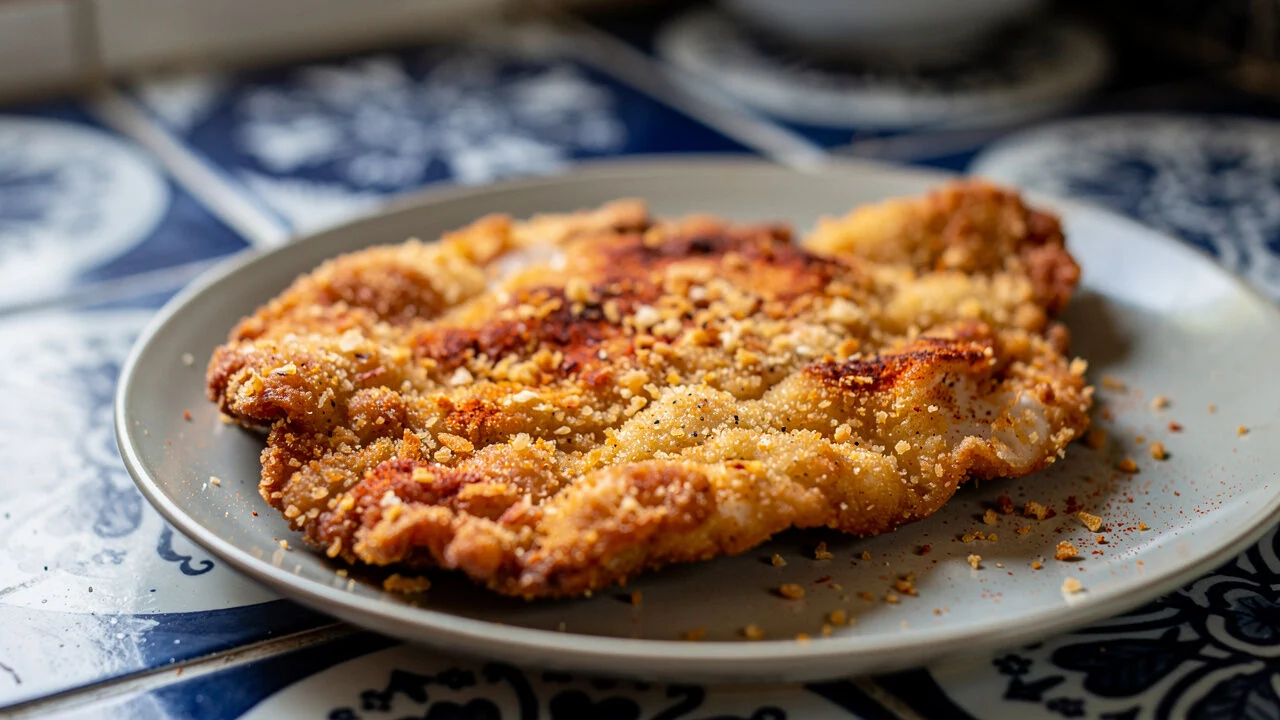
Schnitzel is a beloved dish with roots in Central Europe, and it has become a staple in many Jewish homes worldwide. Traditionally made with veal, chicken schnitzel is a popular kosher adaptation that maintains the dish’s crispy, golden allure while adhering to dietary laws. Perfect for Shabbat dinners or festive occasions, this schnitzel is both comforting and satisfying. Its crunchy exterior and tender interior make it a cherished favorite, often accompanied by fresh salads or hearty sides. Enjoy the timeless flavor of schnitzel, a dish that brings warmth and nostalgia to any meal.
Tips for Crisp Schnitzel
Pound the chicken to an even thickness so it cooks quickly and evenly. Let the breaded cutlets rest for 10 minutes before frying so the coating sticks, and keep the oil hot enough that the cutlets sizzle as soon as they go in. Drain them on a rack rather than paper towels to keep the bottoms crisp.
Kosher Notes
This is a meat (fleishig) recipe. Use kosher chicken and breadcrumbs that are pareve; some breadcrumbs contain milk. Schnitzel is a Shabbat and weeknight favorite in Israeli homes, often served with mashed potatoes, rice or salad.
Storage
Leftover schnitzel keeps 3 days in the refrigerator. Reheat it in a 400°F oven or an air fryer for a few minutes to bring back the crunch; it’s also great cold in a sandwich.
Ingredients
What I use for this recipe
As an Amazon Associate I earn from qualifying purchases.
Method
- Prepare the chicken breasts by pounding them to an even 1/4 inch thickness using a meat mallet or rolling pin.
- In one shallow dish, combine the flour, 1 teaspoon salt, and black pepper. In a second dish, beat the eggs. In a third dish, mix the breadcrumbs with paprika and the remaining 1 teaspoon salt.
- Dredge each chicken piece in the flour mixture, shaking off excess. Dip into the beaten eggs, allowing excess to drip off, and then coat thoroughly with the breadcrumb mixture.
- Heat the vegetable oil in a large skillet over medium-high heat. Once the oil is shimmering, add the chicken pieces, being careful not to overcrowd the pan.
- Fry the chicken for about 3-4 minutes on each side, or until golden brown and cooked through. Adjust the heat as necessary to prevent burning.
- Transfer the cooked schnitzels to a paper towel-lined plate to drain excess oil. Serve hot with lemon wedges or your choice of side dishes.
Notes
Get a Shabbat menu every Thursday
A main, sides and a dessert from our kitchen, all kosher together and ready to cook. Free, and you can unsubscribe anytime.
One email a week. We never share your address. Privacy policy
You Might Also Like
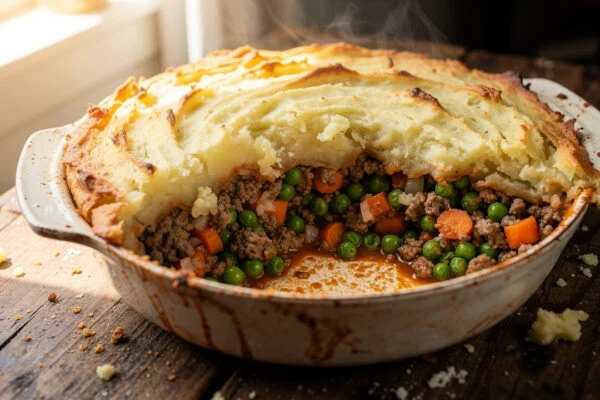
Delicious Kosher Shepherd’s Pie with Ground Beef & Potatoes
This kosher Shepherd's Pie with ground beef and potatoes is a comforting,...
View Recipe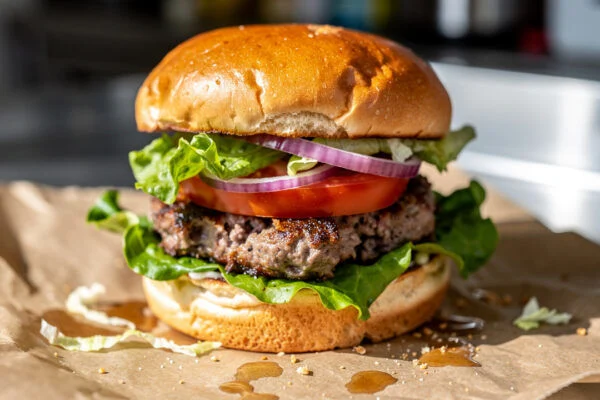
Kosher Smash Burger: Crispy-Edged Diner-Style Beef Patties Done Right
These thin, crispy-edged smash burgers cook in minutes and deliver maximum beefy...
View Recipe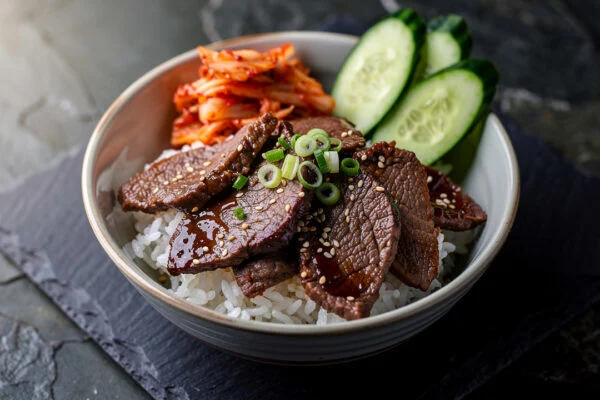
Kosher Korean BBQ Bulgogi Bowls with Tender Marinated Beef
Tender marinated beef with Korean flavors, served over rice with fresh vegetables....
View Recipe
Easy Kosher Chicken Enchiladas Recipe – Comfort Food Made Simple
These kosher chicken enchiladas prove you don't need dairy to make incredible...
View Recipe