
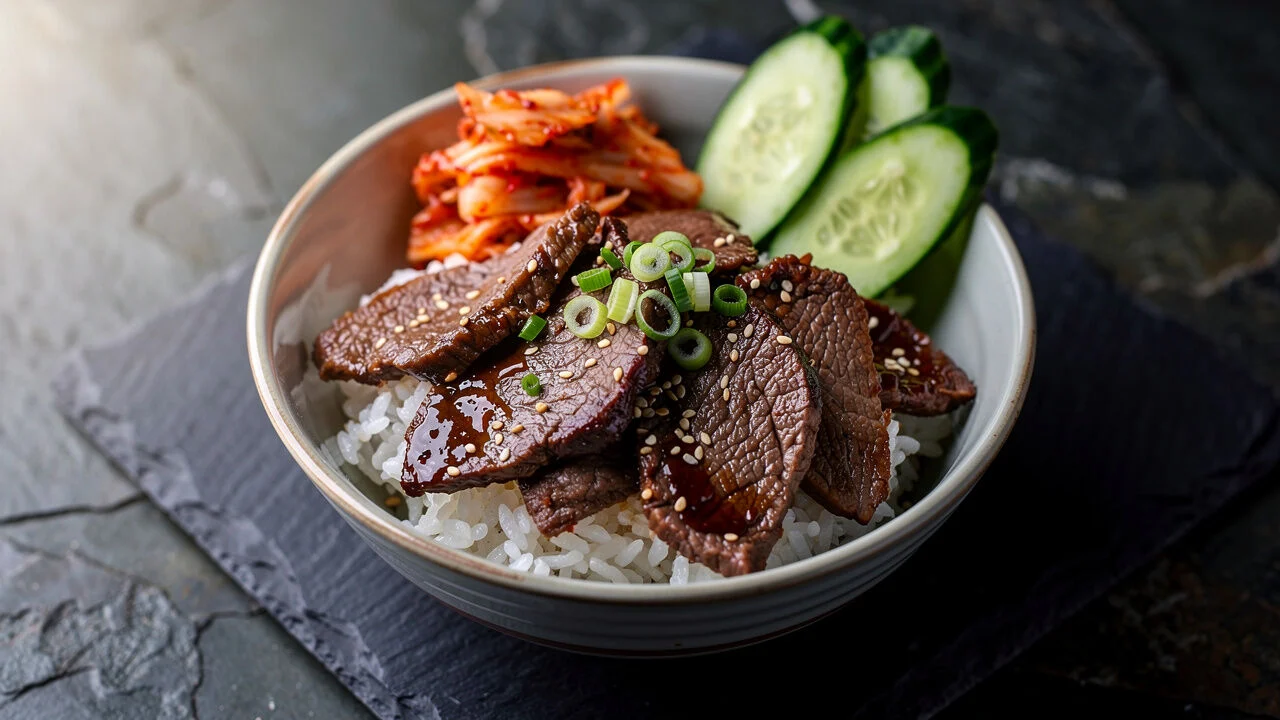
Bulgogi is Korean barbecued beef: paper-thin slices marinated in soy sauce, brown sugar, sesame oil, garlic, ginger and grated Asian pear, then seared quickly until caramelized. These bowls serve it over jasmine rice with carrots, zucchini, spinach and sesame seeds.
The Marinade
The grated pear’s natural enzymes tenderize the meat and add a gentle sweetness. A regular pear or grated apple works too. Freeze the beef for 30 minutes before slicing so you can cut it paper-thin. Marinate for at least 30 minutes, and cook in a very hot pan in batches so the meat sears and caramelizes rather than steaming.
Kosher Notes
This is a meat (fleishig) recipe. Rib eye is the practical choice; sirloin is from the hindquarter and rarely sold kosher outside Israel. Many kimchi brands contain fish sauce or shrimp, so check for a reliable hechsher. Check fresh spinach for insects.
Leftovers
Bulgogi keeps for 3 days and reheats well. A tablespoon of cornstarch in the marinade makes the beef extra tender.
Ingredients
What I use for this recipe
As an Amazon Associate I earn from qualifying purchases.
Method
- Place beef in freezer for 30 minutes to firm up for easier slicing.
- Slice beef as thinly as possible against the grain, about 1/8-inch thick.
- In a large bowl, combine grated pear, soy sauce, brown sugar, sesame oil, minced garlic, ginger, and half the chopped scallions.
- Add sliced beef to marinade and mix thoroughly. Cover and refrigerate for at least 2 hours or overnight.
- Heat 1 tablespoon vegetable oil in a large skillet or wok over high heat.
- Remove beef from marinade (reserve marinade) and cook in batches for 2-3 minutes per batch, until browned and cooked through.
- Transfer cooked beef to a plate and tent with foil.
- Add remaining oil to pan and quickly stir-fry carrots and zucchini for 2-3 minutes until crisp-tender.
- Add spinach and cook until just wilted, about 1 minute.
- Pour reserved marinade into pan and simmer for 1 minute until slightly thickened.
- Divide cooked rice among 4 bowls.
- Top each bowl with bulgogi beef and sautéed vegetables.
- Drizzle with the reduced marinade from the pan.
- Garnish with remaining scallions, toasted sesame seeds, and kimchi if using.
- Serve immediately while hot.
Notes
Get a Shabbat menu every Thursday
A main, sides and a dessert from our kitchen, all kosher together and ready to cook. Free, and you can unsubscribe anytime.
One email a week. We never share your address. Privacy policy
You Might Also Like
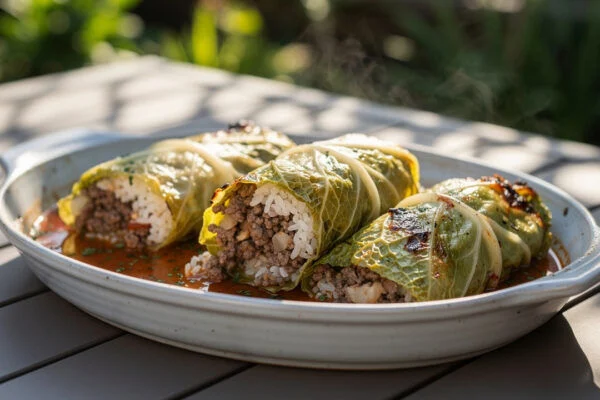
Deliciously Tender Stuffed Cabbage (Holishkes) in Sweet Tomato Sauce
Experience the comforting flavors of Stuffed Cabbage (Holishkes) with a savory meat...
View Recipe
Crispy Baked Salmon With Dill – Easy Kosher Recipe
This crispy baked salmon with dill delivers restaurant-quality results at home with...
View Recipe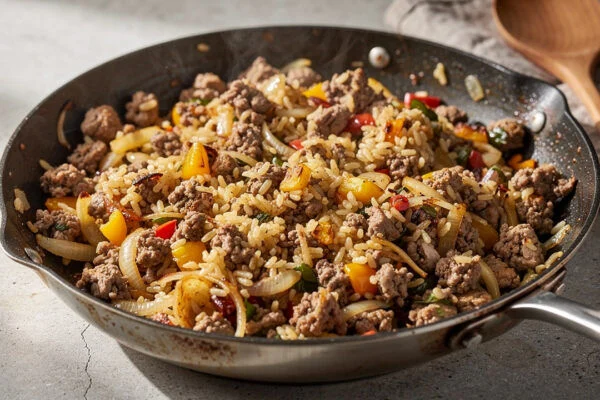
Easy Turkey And Rice Skillet Recipe – One-Pan Kosher Dinner
This one-pan turkey and rice skillet delivers tender ground turkey, perfectly cooked...
View Recipe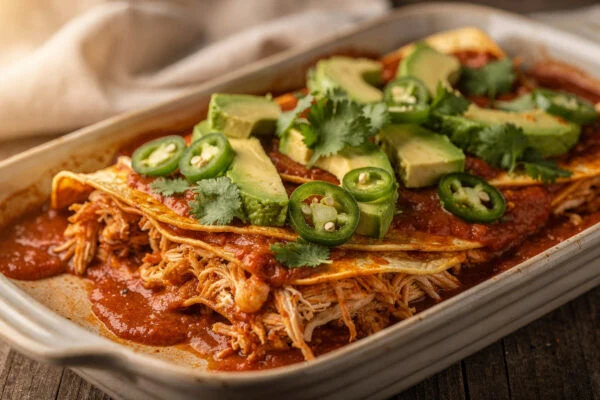
Easy Kosher Chicken Enchilada Casserole Recipe
This kosher chicken enchilada casserole delivers all the comfort food flavors you...
View Recipe